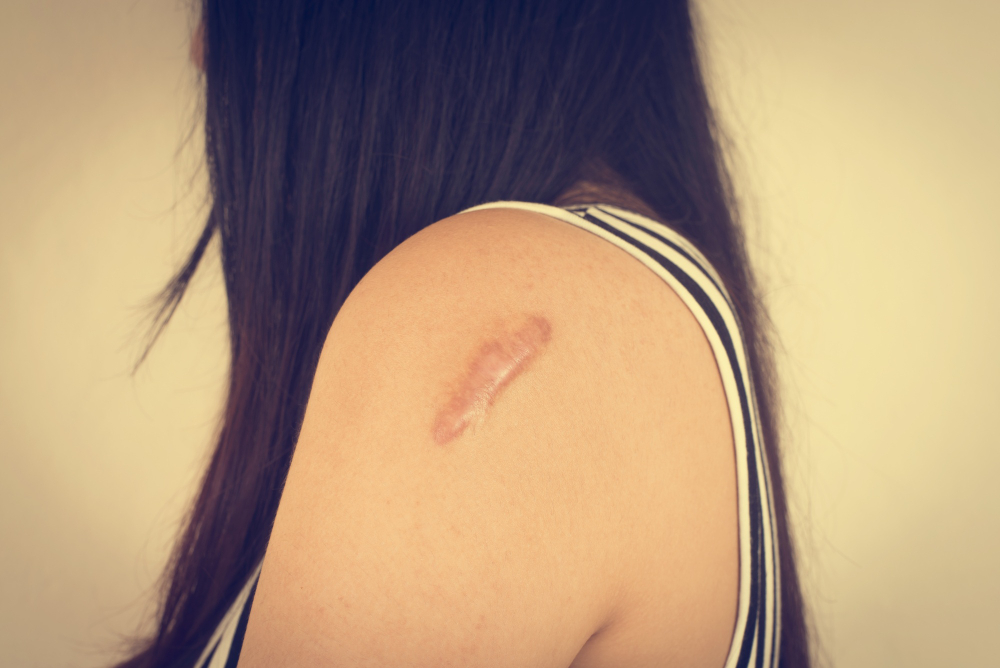
What Is Scar Revision?
Scar revision is a medical procedure that helps improve the look of scars. Many people seek scar revision to make scars less noticeable. The goal is not to remove the scar completely, but to make it blend better with the surrounding skin. According to the American Society of Plastic Surgeons, scar revision can help people feel more confident about their appearance.
Common Types of Scars Treated
Not all scars are the same. Some scars respond better to treatment than others. Here are common types of scars that doctors often treat:
Indications for Scar Revision
Many people wonder if they need scar revision. You may consider this procedure if:
However, not every scar needs treatment. Sometimes, scars fade on their own over time.
Overview of Scar Revision Procedures
Doctors use different methods to improve scar appearance. The choice depends on the scar type, size, and location. Here are the main options:
Surgical Scar Revision
Non-Surgical Scar Revision
For best results, a board-certified plastic surgeon will suggest the right scar revision procedure for you.
Benefits and Expected Outcomes
Scar revision offers many benefits. For example, it can:
However, results vary for each person. While most people see improvement, scars may not disappear completely. According to the CDC, following your doctor’s advice can help you get the best outcome.
Recovery Process and Aftercare
After scar revision, proper care is important. Recovery time depends on the procedure. For minor treatments, you may return to normal activities in a few days. For surgical scar revision, healing may take several weeks. During recovery, you should:
Most people notice gradual improvement as the scar heals.
Risks and Possible Complications
Like any medical procedure, scar revision has some risks. These may include:
Although these risks are rare, it is important to discuss them with your doctor before the procedure.
Prevention Tips for Minimizing Future Scars
While not all scars can be prevented, you can lower your risk. Here are some tips:
Early care can help wounds heal better and reduce scar formation. The World Health Organization suggests proper wound care for best results.
Conclusion
Scar revision can help improve the look and feel of scars. Many safe and effective options are available today. If you want to know how to improve scar appearance, consult a board-certified plastic surgeon at Maya’s Hospital for personalized advice on scar revision.