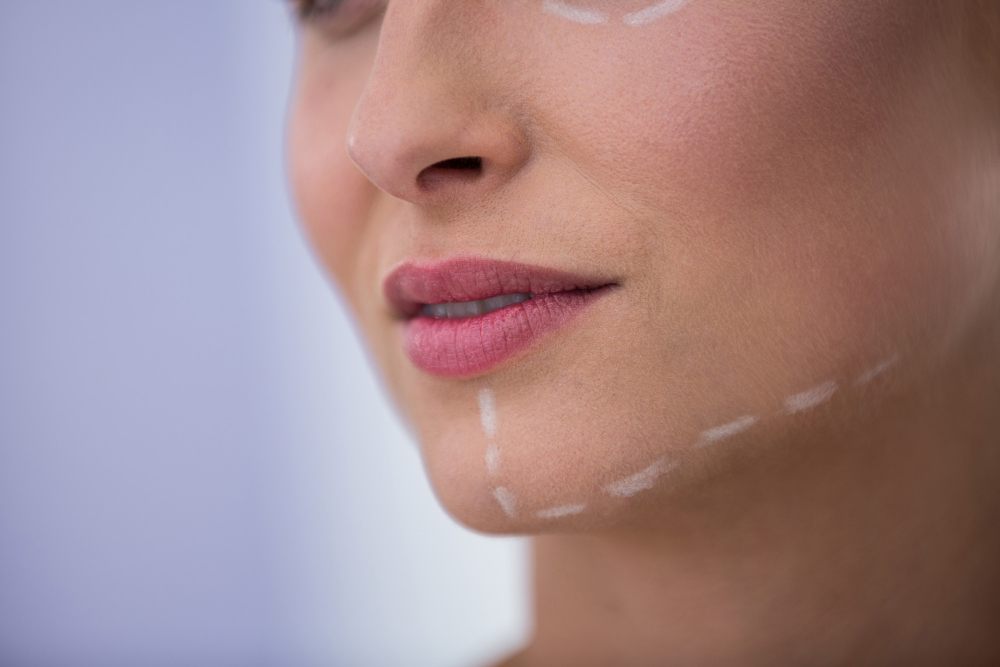
Introduction to Jawline Contouring
Jawline contouring is a cosmetic procedure that shapes and defines the jaw area. Many people choose jawline contouring to improve their facial balance. This treatment can help create a sharper, more defined jawline. Whether you want a subtle change or a dramatic look, jawline contouring offers many options. In recent years, both surgical and non-surgical jawline reshaping procedures have become popular.
Common Reasons People Seek Jawline Contouring
People choose jawline contouring for several reasons. For example, some want to enhance their facial features. Others may wish to correct a weak or uneven jawline. Additionally, jawline contouring can help with:
Because everyone’s face is unique, the reasons for seeking jawline enhancement can vary.
Overview of Jawline Contouring Procedures
There are two main types of jawline contouring: surgical and non-surgical. Each option has its own benefits and risks. Let’s look at both types:
Surgical Jawline Contouring
Surgical options usually offer permanent results. However, they also require more recovery time.
Non-Surgical Jawline Enhancement
Non-surgical jawline reshaping procedures are less invasive. They often have little to no downtime. However, results are usually temporary and may need repeat treatments.
Benefits and Expected Results
Jawline contouring can offer many benefits. For instance, it can:
Most people see results soon after treatment. However, surgical results last longer than non-surgical ones. While some swelling is normal, final results appear as healing continues.
Risks, Side Effects, and Safety Considerations
Like any procedure, jawline contouring has risks. It is important to know these before deciding. Common side effects include:
Serious problems are rare, especially with experienced providers. Still, you should discuss jawline surgery safety with your doctor. Always choose a board-certified plastic surgeon or dermatologist for your procedure. According to the American Society of Plastic Surgeons, this lowers your risk of complications.
How to Prepare for Jawline Contouring
Proper preparation helps ensure a safe and smooth procedure. Before your treatment, your doctor will review your health history. They may ask you to:
Because preparation steps can vary, always follow your provider’s advice closely.
Recovery and Aftercare Tips
After jawline contouring, recovery time depends on the type of procedure. For non-surgical treatments, you may return to normal activities quickly. However, surgical procedures need more time to heal. To help your recovery:
Because aftercare is important, always follow your doctor’s instructions.
Prevention of Complications
To lower your risk of problems, choose a skilled and certified provider. Additionally, you should:
Because prevention is key, careful planning and good aftercare make a big difference.
Frequently Asked Questions (FAQs)
Conclusion
Jawline contouring can help you achieve a more defined and balanced look. Because each person’s needs are unique, it is important to discuss your options with a qualified expert. Consult a board-certified plastic surgeon at Maya’s Hospital for personalized advice.