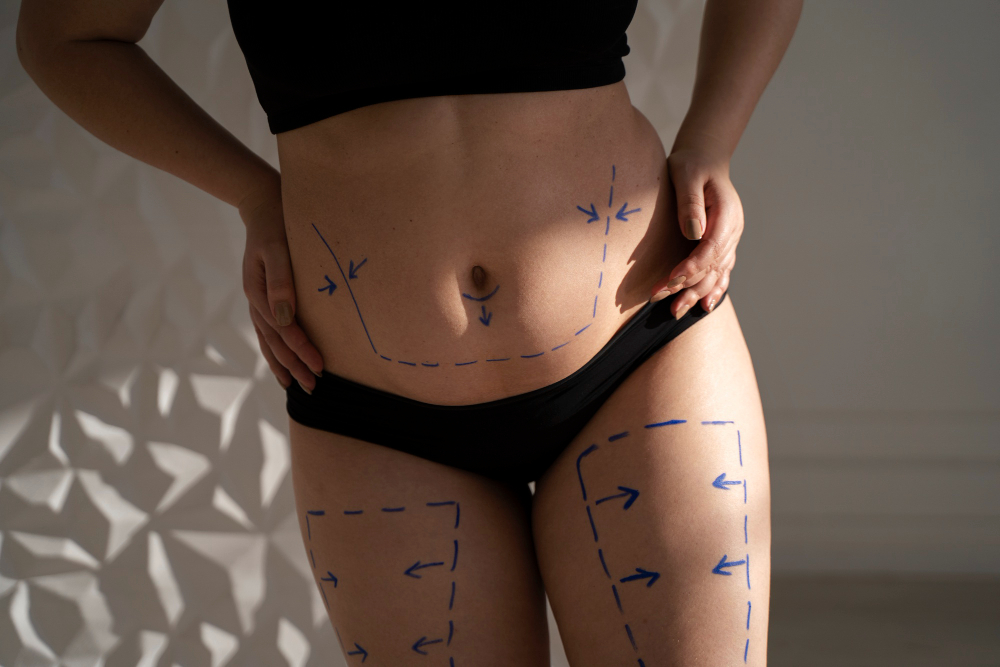
Introduction to Liposuction
Liposuction is a popular cosmetic surgery. It removes extra fat from certain areas of the body. Many people choose liposuction to improve their body shape. The liposuction procedure is not a weight loss method. Instead, it helps shape areas where fat is hard to lose with diet and exercise. In the United States, liposuction is one of the most common cosmetic surgeries. According to the American Society of Plastic Surgeons, thousands of people have this procedure each year.
Common Reasons People Choose Liposuction
People have different reasons for choosing liposuction. Often, they want to feel more confident about their appearance. Some common reasons include:
However, liposuction is not a treatment for obesity or loose skin. It works best for people near their ideal weight.
How Liposuction Works
During the liposuction procedure, a surgeon removes fat using a thin tube called a cannula. First, the doctor makes small cuts in the skin. Then, they insert the cannula to break up and suction out fat. Usually, the surgery takes one to three hours. Most people go home the same day. Sometimes, doctors use local or general anesthesia to keep you comfortable. After the procedure, you may need to wear a special garment to help reduce swelling.
Who Is a Good Candidate for Liposuction?
Not everyone is a good fit for liposuction. You may be a good candidate if you:
On the other hand, people with certain health problems may not be suitable for this surgery. Always talk to a board-certified plastic surgeon to see if liposuction is right for you.
Benefits of Liposuction
Liposuction offers several benefits. For example, it can:
Additionally, some people find it easier to stay active after liposuction. This is because they feel better about their bodies.
Risks and Potential Complications
Like any surgery, liposuction has risks. It is important to know these before deciding. Some possible risks include:
However, most people recover without serious problems. Choosing a skilled surgeon lowers your risk. The American Society of Plastic Surgeons recommends picking a board-certified doctor for safety.
What to Expect During Recovery
After liposuction, you will need time to heal. Most people return to normal activities within a week or two. However, swelling and bruising can last for several weeks. Your doctor may give you a special garment to wear. This helps reduce swelling and supports healing. You should avoid heavy exercise until your doctor says it is safe. Although you may see some results right away, final results can take a few months to appear.
Tips for Safe and Effective Results
To get the best results from liposuction, follow these tips:
By following these steps, you can help your body heal and enjoy lasting results.
Prevention of Complications and Aftercare Guidance
Proper aftercare is key to preventing problems. Always keep the surgery area clean and dry. Watch for signs of infection, such as redness, pain, or fever. If you notice anything unusual, contact your doctor right away. Additionally, avoid smoking and alcohol during recovery. These can slow healing. Your doctor may also suggest gentle walking to help prevent blood clots. Remember, following your surgeon’s advice is the best way to avoid complications.
Frequently Asked Questions About Liposuction
Conclusion
Liposuction can help remove stubborn fat and improve body shape. However, it is important to know the risks and follow your doctor’s advice. For safe and effective results, always consult a board-certified plastic surgeon at Maya’s Hospital for personalized advice on liposuction.