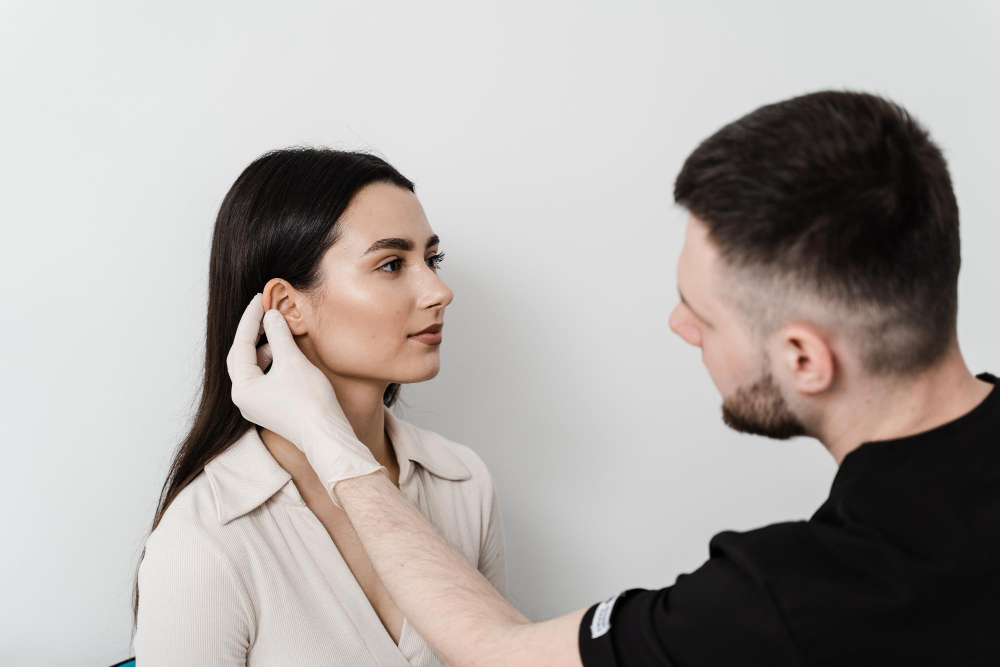
What is Otoplasty (Ear Surgery)?
Otoplasty (ear surgery) is a procedure that changes the shape, position, or size of the ears. Many people call it ear reshaping or cosmetic ear correction. Often, this surgery helps people who feel unhappy with how their ears look. For example, some may have ears that stick out or are misshapen. Otoplasty can help both children and adults feel more confident. According to the American Society of Plastic Surgeons, otoplasty is safe and effective when done by a trained surgeon.
Who Needs Otoplasty?
Not everyone needs otoplasty. However, some people may benefit from it. For instance, children with large or protruding ears often get this surgery. Adults who have had an ear injury or want to improve their ear shape may also consider it. In many cases, otoplasty is a personal choice. But sometimes, doctors recommend it for medical reasons.
Common Reasons for Otoplasty
People choose otoplasty (ear surgery) for many reasons. Some of the most common include:
Sometimes, children are teased about their ears. In these cases, otoplasty can help improve self-esteem.
The Otoplasty Procedure: Step-by-Step
First, you will meet with a plastic surgeon to discuss your goals. The doctor will examine your ears and explain the options. Next, the surgery is usually done in a clinic or hospital. Most often, children get general anesthesia, while adults may have local anesthesia with sedation. The steps include:
Usually, the surgery takes one to two hours. Most people go home the same day.
Recovery and Aftercare
After otoplasty (ear surgery), you will need to rest. For the first few days, you may feel mild pain or swelling. However, your doctor will give you medicine to help. To protect your ears, you will wear a bandage for a week. After that, you may need to wear a headband at night for a few weeks. Most people return to school or work within a week. But, you should avoid sports or rough play for at least a month. Always follow your doctor’s advice for the best results.
Risks and Possible Complications
Like any surgery, otoplasty has some risks. Most people have a smooth recovery, but possible problems include:
However, choosing a board-certified surgeon lowers these risks. The CDC and WHO recommend discussing all risks with your doctor before surgery.
Benefits of Otoplasty
Otoplasty (ear surgery) offers many benefits. For example, it can:
Most people are happy with their new look after healing. In addition, the results are usually permanent.
Prevention and Lifestyle Tips
While you cannot always prevent ear shape issues, some tips can help. For example, protect your ears from injury during sports by wearing a helmet. If your child has a birth defect, early treatment may help. After otoplasty, follow all aftercare instructions. This will help you heal well and avoid problems. Also, keep your ears clean and avoid touching them too much.
Frequently Asked Questions
Consult a board-certified plastic surgeon at Maya’s Hospital for personalized advice on otoplasty (ear surgery).