Introduction
Mole removal surgery is a safe and effective way to improve your skin’s appearance. Many people choose this procedure to remove unwanted moles for cosmetic or health reasons. Sculpt your skin with the art of mole removal surgery and enjoy smoother, clearer skin. With modern techniques, you can achieve natural-looking results. In this blog, you will learn about the process, benefits, and tips for safe mole removal. Understanding your options helps you make the best choice for your skin health.
What is Mole Removal Surgery?
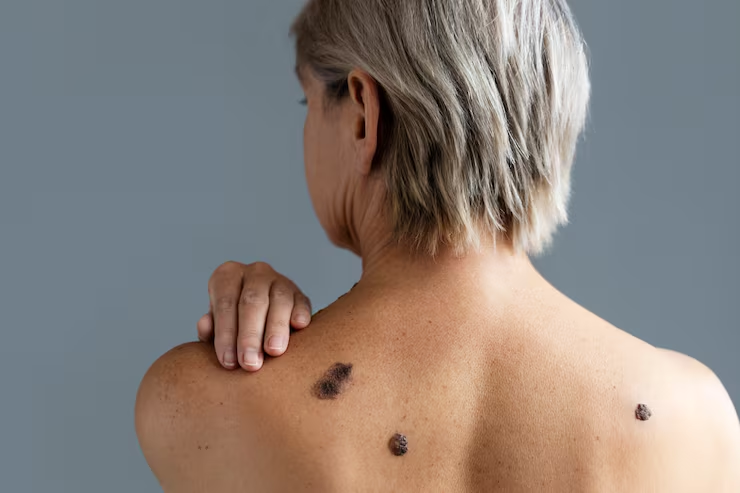
Mole removal surgery is a minor procedure that removes moles from the skin. Moles are small, dark spots that can appear anywhere on your body. While most moles are harmless, some people want them removed for cosmetic reasons or because they change in size or color. Doctors use different methods to remove moles safely. The goal is to leave your skin looking smooth and healthy. According to the American Academy of Dermatology, mole removal is common and usually safe when done by a trained specialist.
Common Reasons for Mole Removal
People choose mole removal for many reasons. Sometimes, a mole may look unusual or change over time. Other times, it may cause discomfort or affect self-confidence. Here are some common reasons:
For any of these reasons, it is important to consult a qualified plastic surgeon or dermatologist.
Types of Mole Removal Procedures
There are several ways to remove moles. The choice depends on the mole’s size, location, and type. Here are the most common procedures:
Your doctor will recommend the best method for your needs. Always ask about the risks and benefits of each option.
How to Prepare for Mole Removal Surgery
Proper preparation can help your procedure go smoothly. Before your appointment, your doctor may ask about your medical history. They may also examine the mole and discuss your options. To prepare:
Additionally, ask your doctor any questions you have about the procedure or recovery.
What to Expect During and After the Procedure
During mole removal surgery, your doctor will numb the area with a local anesthetic. This means you will not feel pain during the procedure. The surgery usually takes less than 30 minutes. After the mole is removed, the doctor may close the wound with stitches or a bandage. You can usually go home the same day. Most people feel only mild discomfort afterward. However, you should follow your doctor’s aftercare instructions closely. Healing time depends on the type of procedure and your skin type.
Risks and Safety Considerations
While mole removal is generally safe, there are some risks. These include:
To reduce risks, always choose a qualified plastic surgeon or dermatologist. According to the CDC, proper wound care lowers the chance of infection. If you notice redness, pus, or fever, contact your doctor right away.
Recovery Tips and Aftercare
Good aftercare helps your skin heal well. Here are some tips for a smooth recovery:
Most people heal within one to two weeks. However, deeper wounds may take longer. If you have concerns, contact your doctor for advice.
Prevention and Skin Health Tips
While you cannot prevent all moles, you can take steps to keep your skin healthy. For example, limit sun exposure and use sunscreen daily. In addition, check your skin regularly for new or changing moles. If you notice anything unusual, see a doctor. Here are more tips:
Early detection of skin changes can help prevent problems. The World Health Organization recommends regular skin checks for everyone.
Conclusion
Mole removal surgery is a safe and effective way to improve your skin’s appearance and health. With the right care, you can achieve smooth, clear skin. Consult a qualified plastic surgeon at Maya’s Hospital for personalized advice on mole removal surgery.